How to Brush a Dog the Right Way (Step-by-Step)
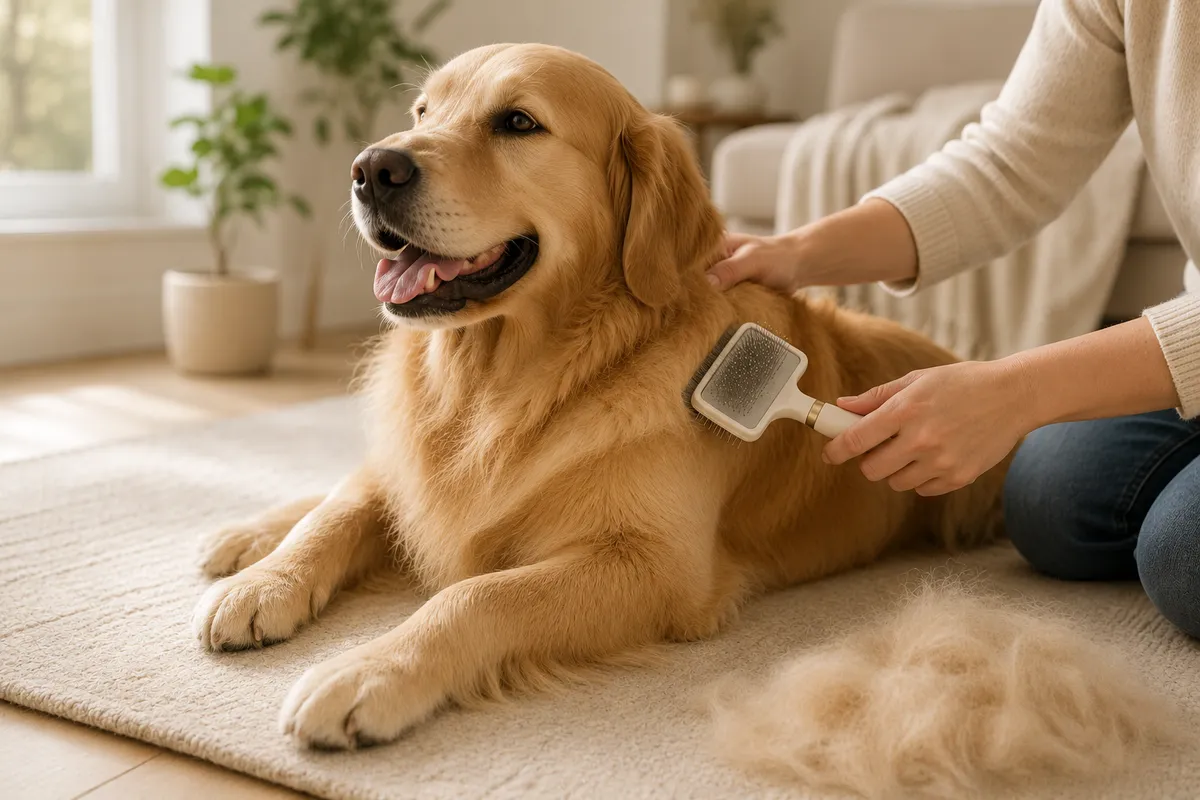
Learning how to brush a dog the right way is less about technique and more about rhythm — the unhurried, repeatable kind that turns grooming from a wrestling match into a quiet part of your week. Most dogs don't dislike being brushed. They dislike being rushed, pulled, or surprised. Get the order of operations right, match the tool to the coat, and brushing becomes something your dog leans into rather than away from.
This guide covers the full routine: why brushing matters, what to do before you start, the step-by-step method, the mistakes that quietly make it worse, how often to brush, and how to read your dog's coat. It's written for the coat in front of you — short, medium, long, or double — not a one-size answer. (If you also share your home with a cat, the approach is gentler and slower still — see our guide on how to brush a cat without stress.)
The short answer
To brush a dog the right way, brush in the direction the hair grows, in small sections from neck to tail, using a brush matched to your dog's coat type. Start by settling your dog and running your hands through the coat to find any mats. Work gently through tangles rather than pulling, keep the session short, and finish while your dog is still calm. How often you brush depends on the coat — short coats weekly, double coats several times a week.
Why brushing matters more than it looks
Brushing does far more than tidy a coat. Drawn through the fur regularly, a brush distributes the skin's natural oils along the hair shaft, which is part of what gives a healthy coat its softness and quiet shine. It lifts loose, dead hair onto the brush before it has a chance to settle on your sofa — the simplest, most reliable way to reduce dog shedding around the house. And it stops small tangles from compacting into mats — those tight knots that pull on the skin and are uncomfortable to remove once they've formed.
There's a quieter benefit, too. Running your hands and a brush over your dog every few days is the simplest way to notice changes early: a new lump, a patch of dry or flaky skin, a tick after a walk, a sore spot your dog flinches away from. You won't diagnose anything with a brush, and anything that looks off is worth a conversation with your veterinarian — but you'll spot it sooner.
And then there's the part that doesn't show up in a coat at all. A few unhurried minutes of contact, repeated often, is a small ritual of trust. For many dogs, a calm brushing session becomes something genuinely settling — closer to being stroked than being handled.
Before you start
A good session is mostly set up before the brush moves. Five minutes of preparation makes the next ten minutes calm.
- Pick the right moment. A dog that has already had a walk or some play is far easier to brush than one full of unspent energy. Aim for a settled, sleepy part of the day.
- Choose a calm, well-lit spot. Good light lets you see the skin and any tangles. A non-slip surface — a bath mat, a towel on the floor — helps a smaller dog feel steady.
- Have the right brush within reach. The tool matters more than effort. A brush designed for the coat will glide; the wrong one will drag, and your dog will remember.
- Keep a few treats nearby. Calm praise and the occasional treat tell your dog that staying still is the easy, rewarding option.
- Bring your own patience. Dogs read tension instantly. If you're hurried, the session will feel like a chore to both of you.
Before the first stroke, run your hands slowly through the whole coat. You're feeling for mats, tangles, burrs, and any spot your dog would rather you didn't touch. Knowing where those are means you can work around them gently instead of catching them by surprise.
How to brush a dog the right way, step by step
This is the core routine. It works for most dogs and most coats; the coat-specific notes further down fine-tune it.
Step 1 — Choose the right brush for the coat
The single biggest factor in a comfortable session is using a tool that suits the coat. A pin or slicker-style brush with rounded pin tips moves through most coats without scraping the skin — this is exactly the kind of gentle, everyday tool the PASLUNA™ brush was designed around. A coat that mats easily may also need a comb to follow up. If you're unsure which tool fits your dog, our guide on how to choose a grooming brush breaks it down by coat type. You'll know the tool is right when the brush glides and your dog stays relaxed, rather than tensing or pulling away.
Step 2 — Settle your dog first
Spend the first moment simply resting a hand on your dog and speaking calmly. Let them sniff the brush. The goal is for your dog to be settled before anything starts — not to settle them down mid-session. A relaxed dog at the start makes everything after it easier.
Step 3 — Start with your hands
Run your hands through the coat one more time, parting the fur to see the skin. This confirms where the tangles are and warms your dog up to being touched. If you find a mat, note it and plan to ease it apart gently later — never start a session by yanking at the worst knot.
Step 4 — Brush in the direction the hair grows
Begin in an easy, low-stress area — usually the shoulders or the back, rarely the face or feet. Brush with the grain, following the natural lay of the coat. Brushing against the direction of growth tugs at the skin and is one of the fastest ways to teach a dog to dislike grooming. Use light, even strokes; let the brush do the work rather than pressing down.
Step 5 — Work in small sections
Move methodically from the neck toward the tail, doing one manageable section at a time before moving on. Small sections let you be thorough without overwhelming your dog, and they make it obvious if you've missed a spot. You're on track when each finished section lies smooth and your hand passes through without catching.
Step 6 — Ease through tangles, never rip
When you reach a tangle, hold the hair at its base — between the knot and the skin — so the brush pulls against your fingers instead of your dog's skin. Work the knot loose from the outer edge inward with short, patient strokes. For a stubborn mat, a comb or detangling tool helps — our guide on how to safely detangle matted fur covers the method step by step. If a mat is tight against the skin or covers a large area, it's often kinder to have a groomer or your veterinarian address it than to keep working at it.
Step 7 — Take care around sensitive areas
The belly, the insides of the legs, the tail, the ears, and the area around the face have thinner skin and more sensitivity. Slow right down here, use a lighter touch, and watch your dog's body language. If they tense or pull away, pause rather than pushing through.
Step 8 — Finish with a smoothing pass, and end well
Once the coat is tangle-free, do a final light pass over the whole body to smooth everything in the direction of growth and catch any remaining loose hair. Then stop — ideally while your dog is still calm and content. Ending on a good note, with praise and a treat, is what makes your dog willing the next time. Finishing the entire coat matters less than finishing before your dog runs out of patience.
Common mistakes dog owners make
Even with the right intentions, a few habits quietly undo the work:
- Brushing only the top coat. On medium, long, and double coats, the topcoat can look fine while tangles form underneath. Part the fur and brush down to the skin.
- Going too fast. Speed catches knots, drags on the skin, and rattles a nervous dog. Slow is smoother for both of you.
- Pressing too hard. More pressure doesn't mean a cleaner coat — it means an irritated dog and pink skin. Let a light, repeated stroke do the work.
- Brushing a wet, matted coat. Water tightens existing knots into firmer mats. Work tangles out before a bath, then finish-brush once the coat is fully dry.
- Skipping the sensitive areas. The belly, behind the ears, and the back legs are exactly where mats love to hide. They need attention, just a gentler version of it.
- Cornering an anxious dog. Forcing a frightened dog through a long session damages trust and makes the next one harder. With a dog that hates grooming, shorter and calmer beats longer and complete — build tolerance over many small sessions rather than one big one.
How often should you brush your dog?
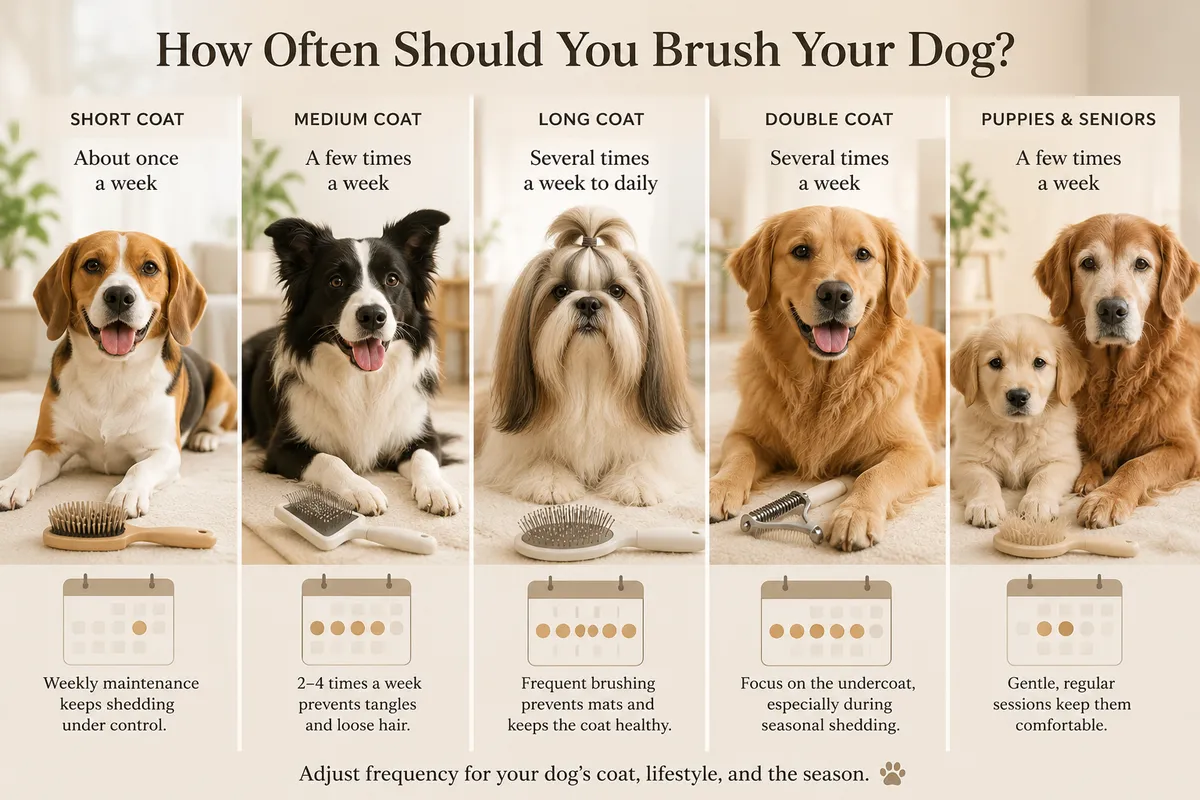
How often you should brush a dog depends mostly on the coat. As a general guide:
- Short coats — usually about once a week is enough to manage loose hair and keep the coat healthy.
- Medium coats — a few times a week helps prevent tangles and keeps shedding under control.
- Long coats — most do best with frequent brushing, often every day or close to it, to stay tangle-free.
- Double coats — typically need brushing several times a week, increasing noticeably during seasonal shedding when the undercoat lets go.
During heavy shedding seasons, most dogs benefit from more frequent sessions across the board. The most reliable rule isn't a number, though: brush often enough that you never find a mat. If tangles are appearing between sessions, you're brushing too rarely for that coat. The aim is a steady dog brushing routine — short, regular sessions rather than occasional marathons. Your dog's age, health, and activity can also change the picture; for a fuller breakdown, see how often should you brush your dog, and your veterinarian or a trusted groomer can advise on what's right for your individual dog.
Coat-type considerations
The same calm method adapts to the coat in front of you.
Short coats
Think Labrador Retrievers, Beagles, Boxers, and many mixed-breed dogs. Short coats are the most forgiving. A brief weekly session with a soft brush or a rubber curry-style grooming mitt lifts loose hair and brings out shine. There's little risk of matting, so the focus is simply consistency. (Some short-coated dogs, like the Labrador, still carry a dense double coat underneath, so they shed more than their tidy outline suggests.)
Medium coats
A medium coat — the kind you'll see on a Border Collie or an Australian Shepherd — has more length to manage and can tangle in the higher-friction areas, behind the ears, under the legs, and around the collar. A pin brush works through the body, and a comb is useful for checking those friction points. A few sessions a week usually keeps it easy.
Long coats
Long coats — think Shih Tzu, Maltese, or Afghan Hound — are the highest-maintenance and the least forgiving of a missed week. Tangles form quickly and turn to mats if left. Brush down to the skin in small sections, follow with a comb to confirm there are no hidden knots, and aim for very frequent — often daily — short sessions rather than occasional long ones.
Double coats
Double-coated dogs — the Golden Retriever, Siberian Husky, and German Shepherd among them — have a softer, dense undercoat beneath a coarser topcoat. The undercoat sheds heavily in seasonal cycles, the period many owners call a "coat blow." These coats need regular work to lift the loose undercoat before it mats, with extra frequency during shedding season. Importantly, a double coat is not meant to be shaved down; it insulates against both heat and cold. The aim is to thin and remove the loose dead undercoat by brushing, not to remove the coat itself.
Signs of a healthy coat
Regular brushing gives you a front-row view of your dog's coat health. In general, a healthy coat tends to:
- Feel soft and look evenly glossy rather than dull or greasy
- Lie smooth, without persistent tangles or mats forming between sessions
- Shed in a way that feels normal for the breed and season
- Sit over skin that looks calm — not red, flaky, or sore
- Have no bald patches, strong odor, or areas your dog repeatedly scratches or licks
Coats change with diet, season, age, and overall health, so some variation is normal. But a sudden change — heavy unexplained shedding, new flaking or odor, bald spots, or skin that looks irritated — is worth raising with your veterinarian rather than treating as a grooming problem alone. Brushing keeps a healthy coat healthy; it isn't a substitute for veterinary care when something looks wrong.
When to pause and contact your veterinarian
Brushing is gentle, routine care — but it sometimes uncovers things that are beyond the brush. Stop the session and contact your veterinarian if you notice any of the following:
- Pain that wasn't there before. If your dog flinches, yelps, snaps, or repeatedly pulls away from a specific spot, treat it as pain rather than stubbornness. A sore area can signal an injury, an infection, or discomfort under the coat.
- Bleeding, scabs, or open skin. Never brush over broken or bleeding skin. Stop, leave the area alone, and have it looked at before grooming continues.
- Severe or tight matting. Mats that sit tight against the skin, cover a large area, or have hardened can trap moisture and irritate the skin beneath. Cutting them out at home risks nicking the skin — a groomer or veterinarian can remove them safely.
- Signs of a possible skin infection. Redness, heat, swelling, a strong or yeasty odor, oozing, or persistent scratching and licking in one area are reasons to have the skin examined rather than brushed.
- Sudden coat changes. A coat that turns dull, brittle, greasy, or thin over a short period — or sheds far more than is normal for the breed and season — can reflect something happening beneath the surface, from diet to an underlying health issue.
- Bald patches or hair loss. Patchy thinning, bald spots, or hair that comes away in clumps is not a grooming problem to brush through; it warrants a veterinary opinion.
None of this means a brush is risky. It means the brush doubles as an early-warning system, and the right response to a warning sign is a professional, not more brushing. When in doubt, pause and ask your veterinarian — they can tell the difference between a cosmetic quirk and something that needs care.
Done consistently and gently, brushing stops being a task on a list and becomes a small, steady ritual — the kind that keeps a coat in good shape and, just as quietly, keeps your dog glad to sit still for you.
Key Takeaways
- Brush in the direction the hair grows, in small sections, working from the neck toward the tail.
- Start with your hands to find mats and tender spots before the brush ever touches the coat.
- Match the brush to the coat: short, medium, long, and double coats each ask for a different tool.
- Keep sessions short and calm — ending before your dog loses patience matters more than finishing the whole coat.
- Persistent matting, flaking, bald patches, or a sudden coat change are reasons to talk with your veterinarian.
Frequently asked

The PASLUNA Editorial Team creates expert-backed educational content focused on pet grooming, coat care, shedding management, and pet wellness for dogs and cats.
 Shedding
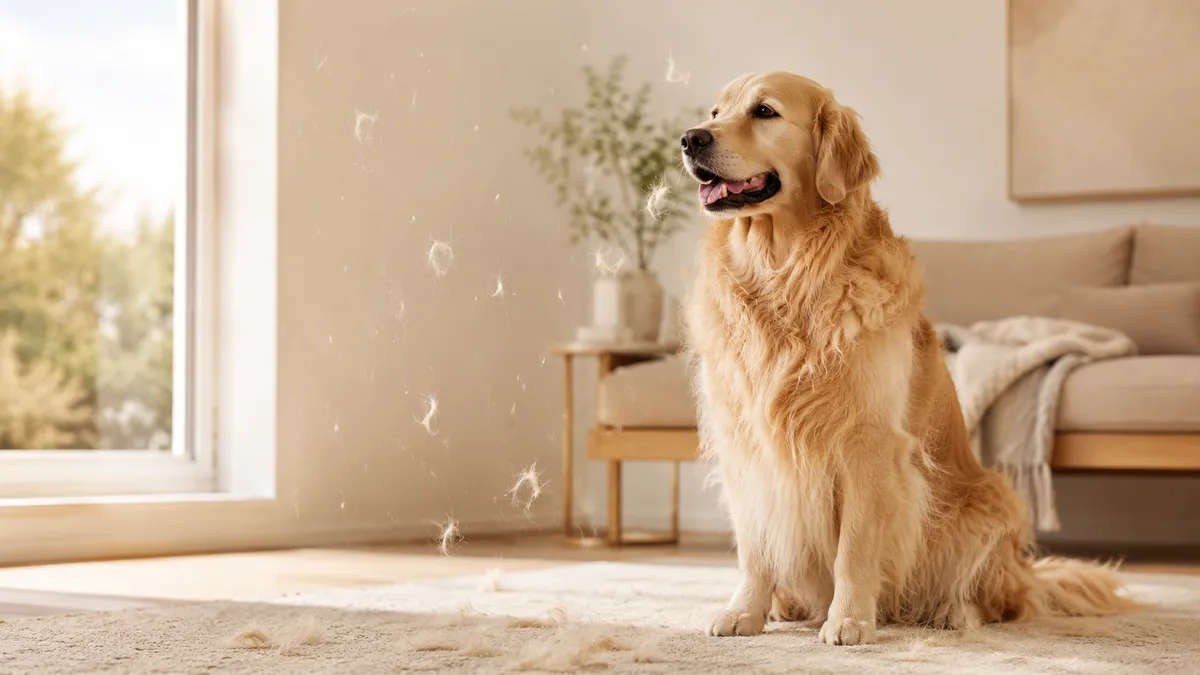
Why Does My Dog Shed So Much?
Why dogs shed, what counts as normal versus excessive, and how to tell ordinary seasonal shedding from a sign worth a vet visit.
 Dog Grooming
How Often Should You Brush Your Dog?
How often to brush your dog, by coat type — plus what changes the schedule and how to build a routine that actually sticks.
 Dog Grooming
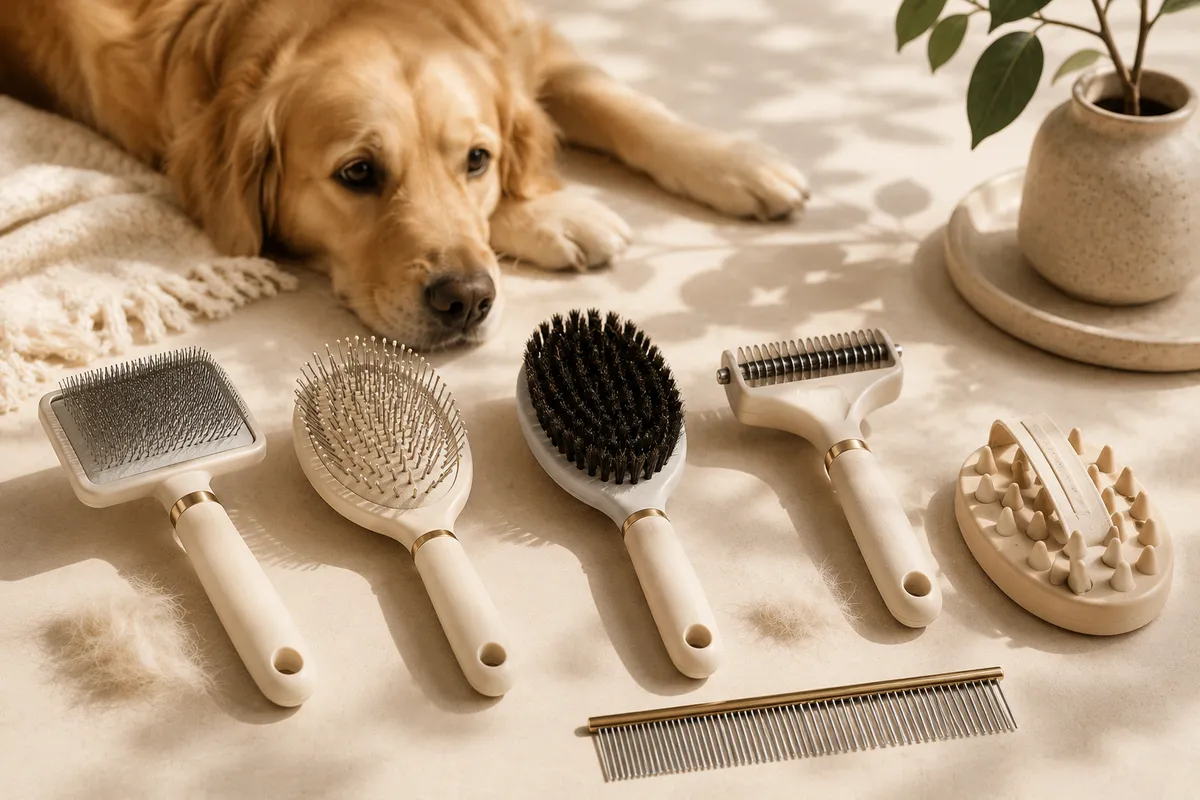
How to Choose the Right Grooming Brush
A plain guide to grooming brushes — what each type does, which suits your pet's coat, and how to match the tool to the job.