Slicker Brush vs Deshedding Tool: Which Does Your Cat Need?
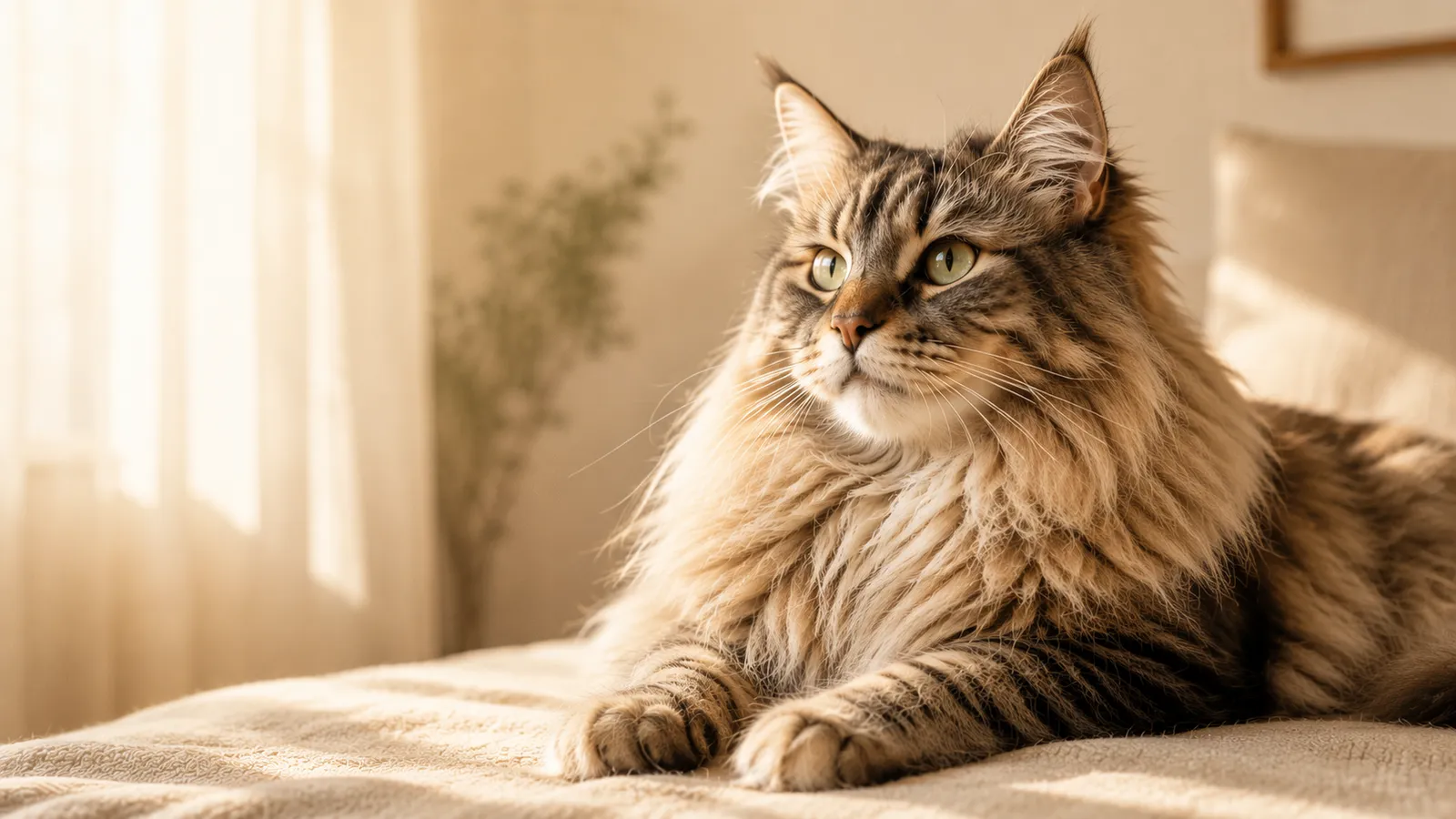
Walk down the cat aisle and you'll find a dozen brushes that all look like they do the same thing. They don't. And picking the wrong one is why some owners feel like they brush constantly without ever getting ahead of the fur.
The distinction that matters is simple: slicker brushes work the surface, deshedding tools work underneath it.
What a slicker brush actually does
A slicker brush is a flat or slightly curved pad covered in fine, closely spaced wire pins, usually bent at the tip. Drag it through the coat and those pins catch on tangles and lift out fur that has already worked loose near the surface.
It's genuinely good at that job. If your cat has a long coat that knots behind the ears, under the front legs, or along the belly, a slicker is the tool that gets in there and separates the hair before a knot becomes a mat.
What it doesn't do well is reach the dense layer of loose fur sitting deeper in the coat. The pins are fine and shallow — they glide across the topcoat rather than working through it.
What a deshedding tool does differently
A deshedding tool uses a toothed edge rather than wire pins. The teeth are spaced and shaped to pass through the outer coat and catch the loose undercoat fur underneath — the layer that's actually shedding.
That's the whole difference. When you use one on a heavy shedder, the amount of fur that comes off in a few passes is often startling, because you're removing hair that a slicker brush would have skated over.
For a cat that's leaving fur on every dark surface in your home, this is the tool that changes the situation. The PASLUNA brush is built around this — a curved grooming edge with rounded tooth tips designed to reach the undercoat rather than skim the top of it.
The mistake most owners make
Here's the pattern that plays out constantly: an owner with a heavily shedding cat buys a slicker brush, uses it faithfully, collects a satisfying wad of fur each session — and still finds hair everywhere.
The brushing wasn't wrong. The tool was reaching the wrong layer. All that surface fur was going to fall off anyway; the loose undercoat underneath never moved.
If brushing feels like an endless treadmill, that's usually the reason. And if you want to understand what's driving the volume in the first place, why cats shed so much covers the seasonal and indoor-light factors behind it.
Which one does your cat need?
Ask yourself which problem you're actually solving.
You're fighting fur on furniture, clothes, and floors → that's shedding. A deshedding tool is what you want.
You're finding knots, clumps, and mats in the coat → that's tangling. A slicker is what you want.
Both → that's most long-haired cats, honestly. Maine Coons, Persians, Ragdolls and Norwegian Forest Cats shed heavily and tangle. Many owners keep both and use them for different jobs: the deshedding tool for the bulk of the routine, the slicker for the knot-prone spots.
Short-haired cat that sheds → deshedding tool. Short coats rarely tangle enough to justify a slicker.
Using either one well
The tool matters less than the technique, and both fail the same way if you rush.
Work with the direction of hair growth, not against it. Use light pressure — pressing harder doesn't remove more fur, it just makes the session unpleasant. Keep sessions short, especially early on; five focused minutes beats twenty that end badly.
And stop before your cat wants you to. That's the single habit that determines whether the next session is easy or a wrestling match. If your cat already objects to being brushed, the approach for cats who hate it is worth reading first.
The short version
A slicker brush smooths and detangles. A deshedding tool reaches the loose undercoat. Neither is better — they solve different problems, and the right one depends on whether you're fighting knots or fighting fur.
Most owners with a shedding cat have been using a detangling tool and wondering why it isn't working.
Key Takeaways
- Slicker brushes work the surface and remove tangles; deshedding tools reach the loose undercoat.
- Heavy shedders benefit most from a deshedding tool, while tangle-prone long-haired cats need a slicker.
- Long-haired cats often need both, used for different jobs in the same routine.
- Using a slicker on a heavy shedder feels like endless work because it never reaches where the loose fur sits.
Frequently asked

The PASLUNA Editorial Team creates expert-backed educational content focused on pet grooming, coat care, shedding management, and pet wellness for dogs and cats.
 Cat Grooming
Why Is My Cat Shedding So Much?
Most cat shedding is normal — but the amount changes with season, coat type, and health. Here's how to tell ordinary shedding from the kind worth a vet visit.
 Cat Grooming
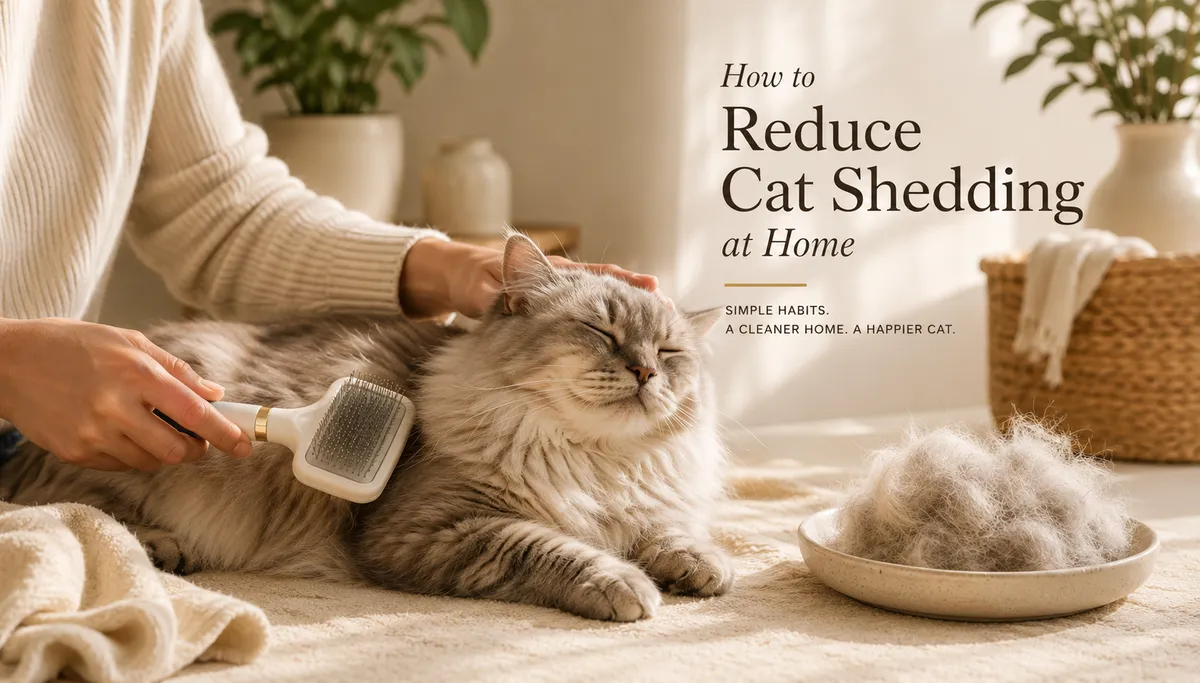
How to Reduce Cat Shedding at Home
A calm, practical routine for managing cat shedding — what actually helps, what doesn't, and when loose fur is worth a vet's attention.
 Cat Grooming
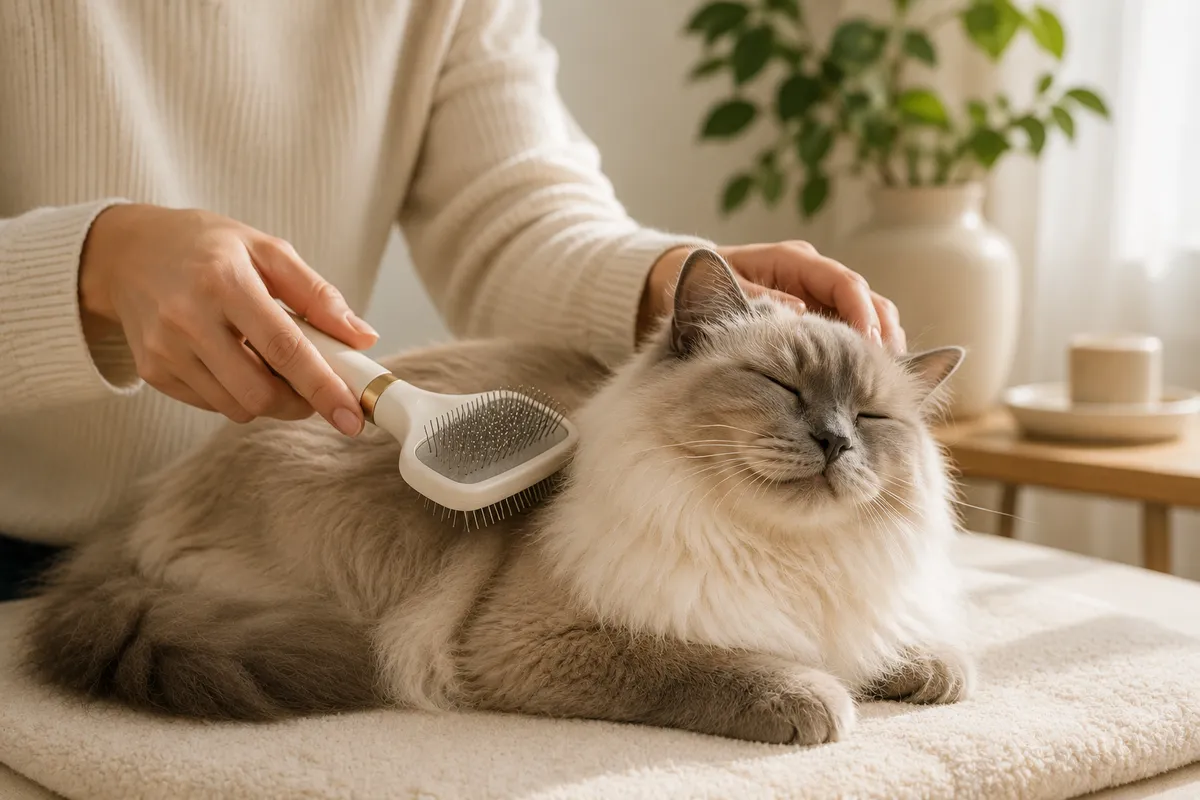
How to Brush a Cat Without Stress
How to brush a cat calmly — reading her signals, choosing the right moment, and short gentle sessions that work even for cats who hate it.