How Grooming Can Become a Calm Ritual for Anxious Pets
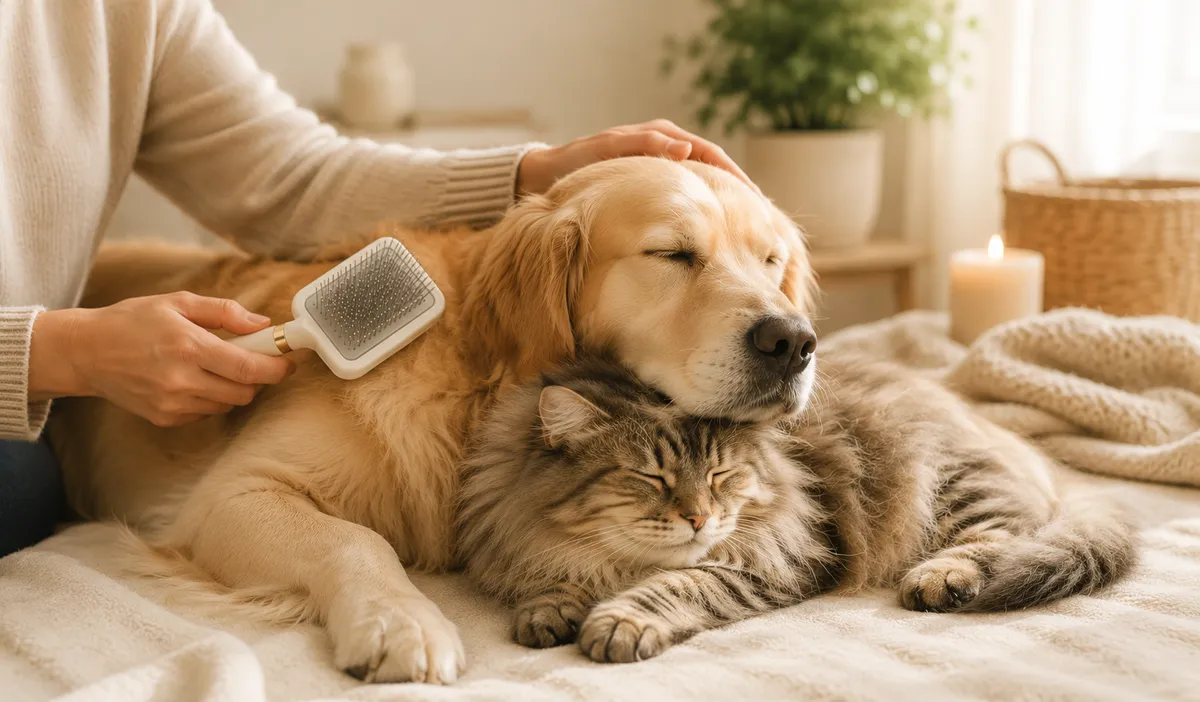
There's a particular quiet that settles over a content pet being gently brushed — the slow blink, the loosening shoulders, the lean into the next stroke. For many animals, grooming isn't something to endure. It becomes one of the calmer, more connected moments of the day.
That calm is worth understanding, because it points to something useful: a gentle, predictable grooming routine can be genuinely soothing for many pets, and it's one of the simplest ways to deepen the bond between you. It's worth being equally clear about the limits, though — grooming is a supportive habit, not a treatment for genuine anxiety. This guide covers both: how to make grooming a calm ritual, how to tell whether it's actually helping, and when a pet's anxiety calls for a professional rather than a brush.
Why a calm routine can soothe
Two things seem to be at work when grooming settles a pet, and neither requires overstating the case.
The first is predictability. Many animals find security in routine — in knowing what's coming and that it's safe. A grooming session that happens in a familiar way becomes something a pet can anticipate and rely on rather than brace against. For a nervous animal, that "I know what this is" feeling can be reassuring in itself.
The second is gentle, steady touch. Calm physical contact and a slow, rhythmic motion are comforting to many pets, much as a steady, familiar touch is comforting to us. Combined with your calm presence and full attention, an unhurried brushing session can become a small pocket of quiet in a pet's day.
Notice the careful word in all of this: can. The soothing effect is real for many pets, but it's entirely dependent on the experience being calm in the first place — which is where the technique matters.
The bond is the bigger story
Beyond the calm of any single session, regular gentle grooming does something cumulative: it builds trust. Each calm, positive session is a small deposit in your relationship — a repeated experience of being handled kindly, with nothing bad happening.
Over time, that steady, positive handling can make a pet more comfortable being touched, more relaxed in your company, and more secure generally. This is one of the quiet reasons grooming is worth doing well even for short-coated pets who don't strictly need much of it: the routine itself is a relationship, not just coat maintenance.
How to make grooming genuinely calming
The benefit only appears when the experience is relaxed. A rushed, forced, or uncomfortable session does the opposite — it teaches a pet that grooming is something to dread. A few principles keep it on the right side of that line:
- Choose relaxed moments. Groom when your pet is already settled, not wound up or overstimulated.
- Keep it short and unhurried. A calm few minutes beats a thorough session that outlasts your pet's patience. Stop while they're still comfortable.
- Use a comfortable tool. A brush that drags or catches on the skin gives a pet a reason to tense up; one that moves gently through the coat, with rounded pin tips, removes that friction. The PASLUNA™ brush is designed around this kind of calm, comfortable grooming.
- Work the areas they enjoy. Most pets have spots they like being touched and spots they don't — favour the former, especially early on.
- Let your pet have some control. The freedom to pause or step away makes the whole experience feel safer, which paradoxically makes a pet more willing to stay.
Keep your own energy quiet throughout — pets read our tension easily, and a calm handler is a large part of a calm pet.
Read whether it's working — honestly
The whole premise rests on the pet actually finding the routine soothing, so learn to read which way it's going.
A pet who's benefiting relaxes into it: a softening body, a settled posture, leaning into the brush, staying willingly, perhaps drifting toward sleep. A pet who's stressed tells you so: a stiff body, a flicking or lashing tail, flattened ears, lip-licking or yawning out of context, trying to leave, or clear warning signals.
If you're seeing the second set, the routine isn't helping yet — and pushing through won't change that. Slow down, shorten the sessions, and rebuild gently so each one ends on a calm note. For a pet who actively resists, the patient, step-by-step approach in our guide on how to brush a cat that hates it applies just as well to anxious dogs: the goal is to make the brush feel safe before anything else. Our broader guides on how to brush a dog and how to brush a cat cover the calm fundamentals.
The honest limit: grooming is not a treatment
This matters enough to state plainly. A calm grooming routine can be a soothing, supportive part of an anxious pet's life — but it is not a treatment for genuine anxiety or behavioural problems, and it shouldn't be relied on as one.
Real, persistent anxiety has causes that a grooming session can't address, and sometimes what looks like anxiety is rooted in pain or illness. A pet who is truly fearful needs proper assessment and support, not just a gentle brush and good intentions.
When to pause and contact your veterinarian
Reach out to your veterinarian — or ask them about a qualified animal behaviourist — if you notice:
- Persistent fear or distress that doesn't ease with a calm, gentle approach.
- Anxiety that's worsening over time rather than settling.
- Sudden behaviour changes, especially in a pet who was previously calm — these can signal pain or a health problem as much as anxiety, and are worth ruling out promptly.
- Anxiety that interferes with daily life — eating, sleeping, toileting, or normal interaction.
- Aggression or panic during handling that a slow, patient approach isn't improving.
Seeking professional help isn't an overreaction — it's the responsible step when a pet's distress is real. A grooming ritual can sit happily alongside that support, but it shouldn't stand in for it.
A small, steady kindness
Done gently, grooming offers something lovely: a predictable, soothing routine that many pets come to welcome, and a quiet, repeated act of trust-building between you. That's a genuine good, and reason enough to make your sessions as calm and comfortable as you can.
Hold it in proportion, though. Grooming is a kindness and a connection, not a cure. Keep the routine gentle, read your pet honestly, and lean on your veterinarian when anxiety runs deeper than a calm few minutes can reach. Within those bounds, the simple act of brushing a pet you love is one of the nicer things either of you will do all day.
Key Takeaways
- A calm, predictable grooming routine can be genuinely soothing for many pets — the steady touch and familiar rhythm offer comfort and structure.
- Grooming is also one of the simplest ways to deepen the bond with your pet, building trust through gentle, regular, positive handling.
- The benefit depends entirely on the experience being calm. A rushed or forced session does the opposite, so the goal is always a relaxed pet, not a finished checklist.
- Grooming is not a treatment for genuine anxiety. Persistent fear, distress, or behaviour changes deserve a veterinarian or qualified behaviourist, not a grooming routine alone.
Frequently asked

The PASLUNA Editorial Team creates expert-backed educational content focused on pet grooming, coat care, shedding management, and pet wellness for dogs and cats.
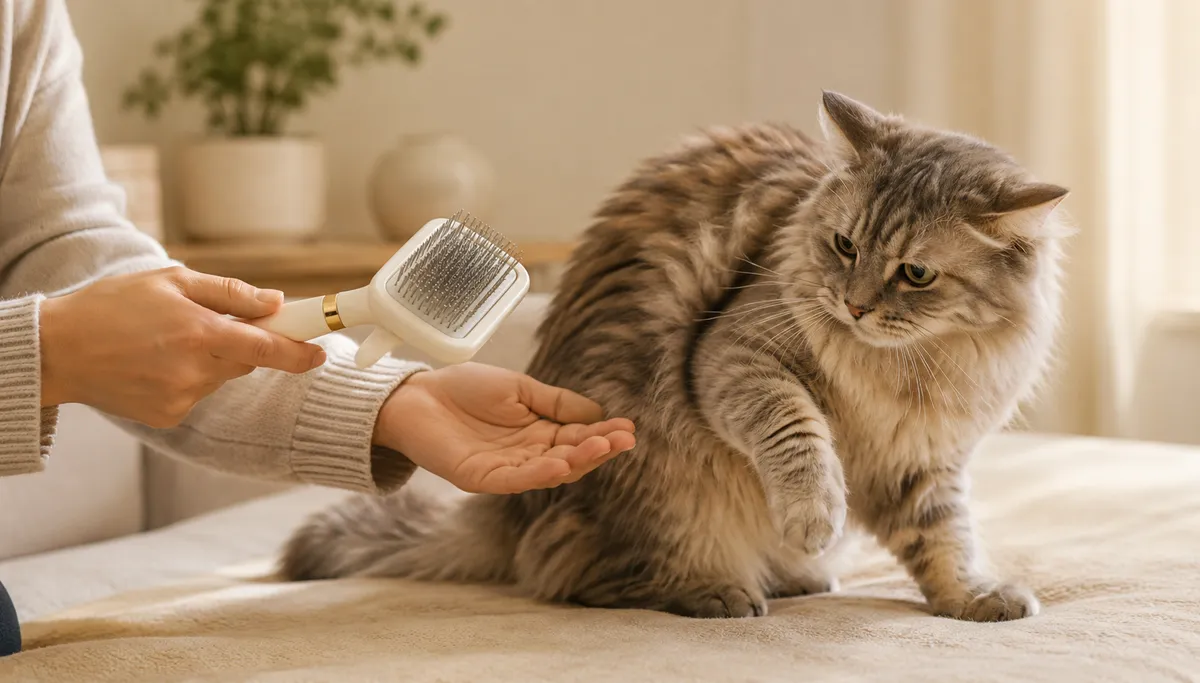 Cat Grooming
How to Brush a Cat That Hates It
A patient, low-stress method for cats who fight the brush — reading the warning signs, building tolerance over days, and knowing when resistance means pain.
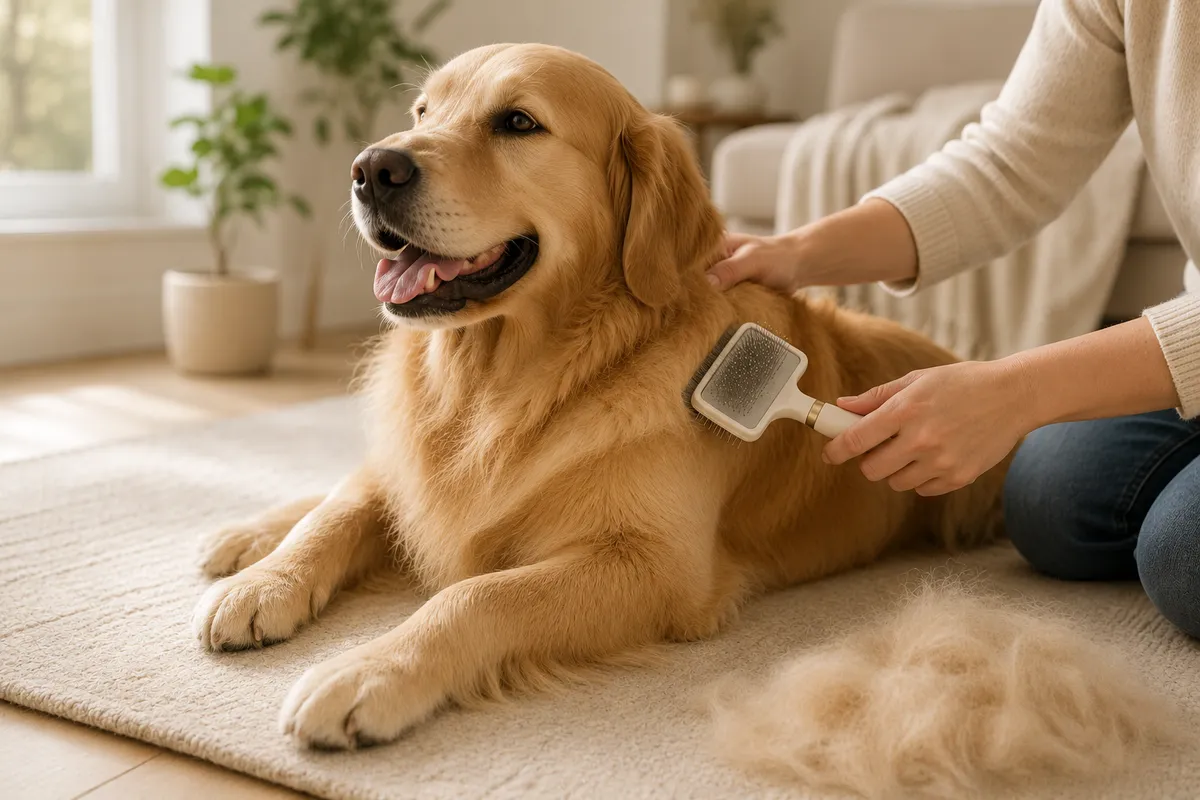 Dog Grooming
How to Brush a Dog the Right Way (Step-by-Step)
A calm, step-by-step ritual for brushing any coat type — how to do it well, how often, and what a healthy coat looks like.
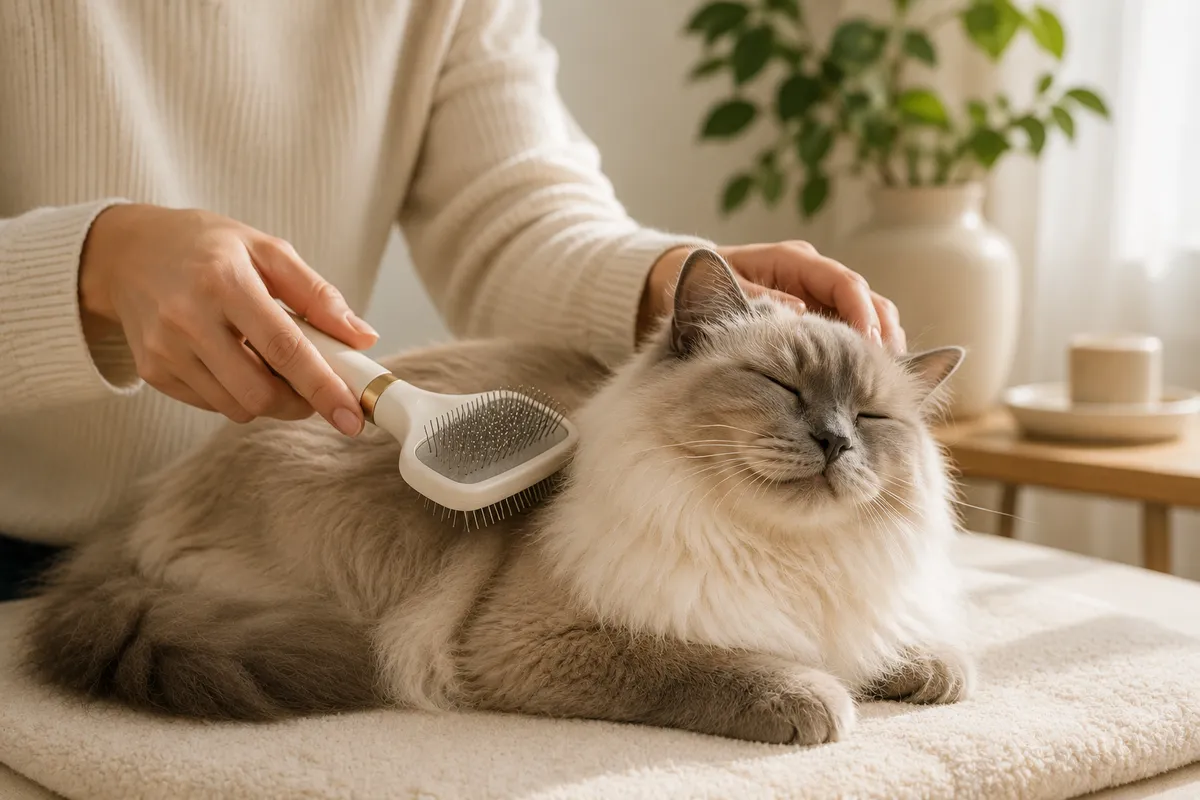 Cat Grooming
How to Brush a Cat Without Stress
How to brush a cat calmly — reading her signals, choosing the right moment, and short gentle sessions that work even for cats who hate it.