Slicker Brush vs. Deshedding Tools: Which Does Your Pet Need?
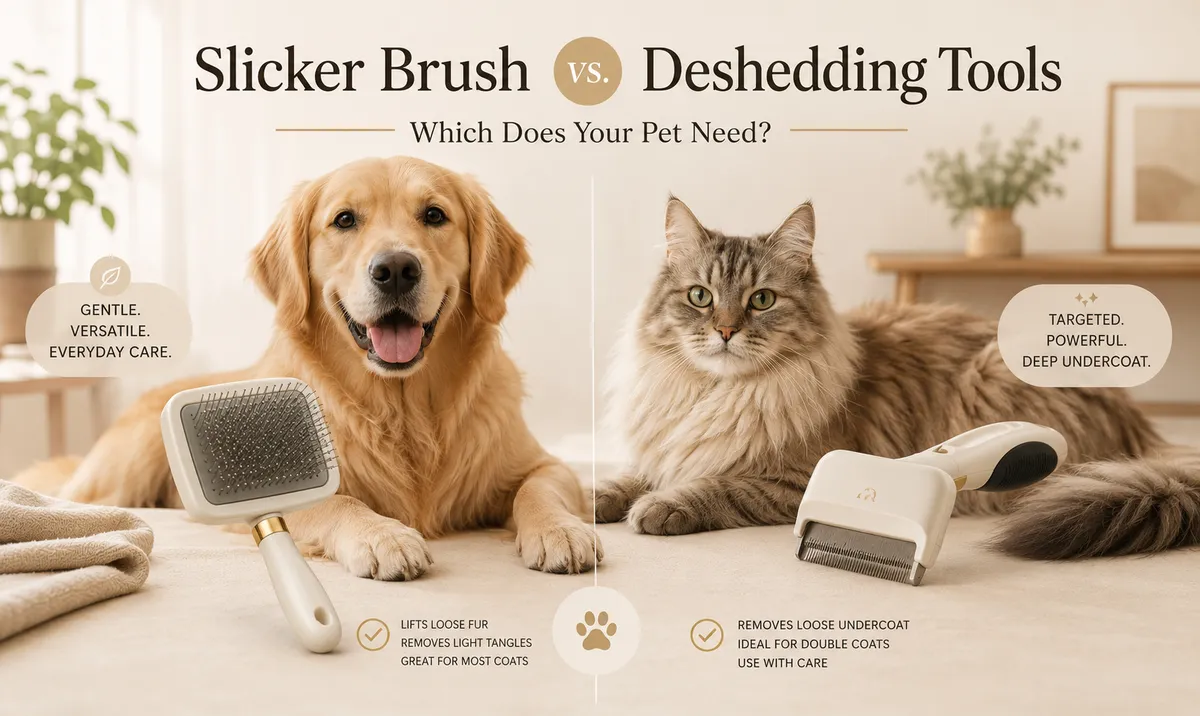
Stand in the pet-care aisle and the choice looks bewildering: rows of slicker brushes, deshedding tools, blades, rakes, and gloves, each promising to be the answer to fur on your furniture. Two of them dominate the conversation — the slicker brush and the deshedding tool — and they're often treated as interchangeable. They aren't.
They're built for different jobs, and choosing the wrong one for your pet's coat means either underwhelming results or, with the more aggressive tools, the risk of irritating the skin. This guide explains what each actually does, which coats they suit, where deshedding tools can go wrong, and how to land on the gentler choice for your pet.
What a slicker brush actually does
A slicker brush has a flat or gently curved head packed with fine, flexible pins. Those pins lift loose hair from the top and middle layers of the coat and ease out light tangles as they go. It's the generalist of grooming tools — versatile across a wide range of coat types and well suited to regular, everyday use.
Its strength is exactly that versatility. A slicker works on short coats, medium coats, and many long coats; it lifts loose fur before it sheds onto your home and helps keep tangles from tightening into mats. Because it's gentle enough for frequent use, it supports the thing that actually controls shedding: a consistent routine.
The quality and design matter, though. A slicker with rounded pin tips moves through fur without scraping the skin; a cheap one with sharp, rigid pins can scratch. Technique matters just as much — light strokes that follow the coat, never pressing the pins into the skin.
What a deshedding tool does differently
A deshedding tool is a specialist. Rather than grooming the whole coat broadly, it's designed to reach down into a dense undercoat and pull loose underfur out from below. For double-coated breeds that carry a thick, woolly layer beneath the outer coat, this is something a slicker brush alone may not fully accomplish.
That reach is genuinely useful in the right situation — chiefly, a double-coated pet in the middle of a heavy seasonal shed. Used well, a deshedding tool can remove an impressive amount of loose undercoat that would otherwise end up around your home.
But the same power that makes it effective is what makes it easy to misuse, which brings us to the real decision point.
The risk worth understanding: over-stripping
The most important thing to know about aggressive deshedding tools is over-stripping — removing healthy coat along with the loose fur, and irritating the skin in the process.
Because these tools reach deep and pull, using one too hard, too often, or repeatedly over the same patch can scrape the skin and strip out coat the pet actually needs. Blade-type deshedders carry the most risk here. The signs of having gone too far are a coat that looks thin or patchy and skin that's pink or irritated.
The safe-use rules follow directly: a light hand, never on a wet or matted coat, never on skin that's already irritated, and never as an everyday brush. For most double-coated pets, a deshedding tool is an occasional, seasonal tool — not a daily one.
So which does your pet need?
Match the tool to the coat, not to the marketing:
- Short and smooth coats (Labradors, many mixed breeds): a gentle slicker or everyday brush is usually all that's needed. A deshedding tool offers little benefit and adds risk.
- Medium coats: a slicker brush used regularly handles loose fur and light tangles well.
- Long coats that tangle easily: a slicker brush for regular detangling and loose-fur removal, with attention to the friction zones.
- Heavy double coats (Huskies, Golden Retrievers, and similar): a gentle everyday brush for routine grooming, plus a deshedding tool used sparingly during the big seasonal sheds. To understand why these coats shed in waves, our guide on why dogs shed explains the seasonal cycle.
Notice the pattern: even the pets that benefit most from a deshedding tool still rely on a gentle everyday brush for the bulk of their grooming.
The honest bottom line: consistency beats intensity
Here's the principle that resolves most of the confusion. Shedding is managed by regular, gentle grooming — not by occasional intense sessions. A brush you reach for a few times a week, that's comfortable for your pet, will do more to keep fur off your furniture than a powerful tool you bring out once a month and overuse when you do.
That's why, for most pets, a versatile everyday brush is the foundation, and a deshedding tool is at most a seasonal supplement for specific coats. A gentle brush with rounded pin tips that moves easily through the coat — the approach the PASLUNA™ brush is designed around — supports exactly the kind of low-drama, repeatable routine that actually works. If you want to match a tool to your specific pet, our guide on how to choose a grooming brush walks through it coat by coat.
Common mistakes when choosing and using
- Buying a deshedding tool for a single-coated or short-haired pet. There's little undercoat to reach, so you get added risk for no real benefit.
- Using a deshedding tool as an everyday brush. This is the fast route to over-stripping and skin irritation.
- Pressing any tool into the skin. Loose fur lives in the coat, not against the skin — let the tool work the fur with light strokes.
- Choosing intensity over consistency. The occasional aggressive session is less effective and riskier than a gentle regular habit.
- Ignoring pin quality. Sharp, rigid pins scratch; rounded tips don't. The build of the tool matters as much as the type.
A brief note on skin and safety
Grooming tools work on the coat, but they touch the skin — so a little caution is sensible. If you notice redness, irritation, thinning patches, or your pet reacting with discomfort when you use a particular tool, ease off and reconsider whether it suits their coat. Persistent skin irritation, sore spots, or unusual hair loss are worth a conversation with your veterinarian rather than a change of brush, since they can point to a cause that grooming won't fix.
Choose the gentle, consistent option
The slicker-versus-deshedding question has a clearer answer than the aisle suggests. A slicker or gentle everyday brush is the versatile foundation most pets need; a deshedding tool is a specialist for heavy double coats, best used sparingly. The aggressive option isn't the better option — it's a more specific one, with more ways to go wrong.
Choose the tool that fits your pet's coat and that you'll comfortably use on a regular basis, because the routine matters more than the hardware. Get that right, and managing shedding becomes a few calm minutes a week rather than a losing battle with your vacuum. For cat owners, our cat shedding guide covers the full routine — what to brush with, how often, and what to expect through the seasons. If your pet resists grooming, solving that gently comes first — our guide on how to brush a dog covers the calm, step-by-step approach.
Key Takeaways
- A slicker brush uses fine, flexible pins to lift loose fur and ease out small tangles across many coat types — a gentle, versatile everyday tool.
- A deshedding tool is built to reach deep into a double coat and pull out loose undercoat. It's powerful, which also makes it easy to overuse.
- The biggest risk with aggressive deshedding tools is over-stripping — removing healthy coat and irritating the skin when used too hard or too often.
- For most pets, a gentle everyday brush you'll actually use consistently beats an aggressive tool used occasionally. Consistency manages shedding better than intensity.
Frequently asked

The PASLUNA Editorial Team creates expert-backed educational content focused on pet grooming, coat care, shedding management, and pet wellness for dogs and cats.
 Dog Grooming
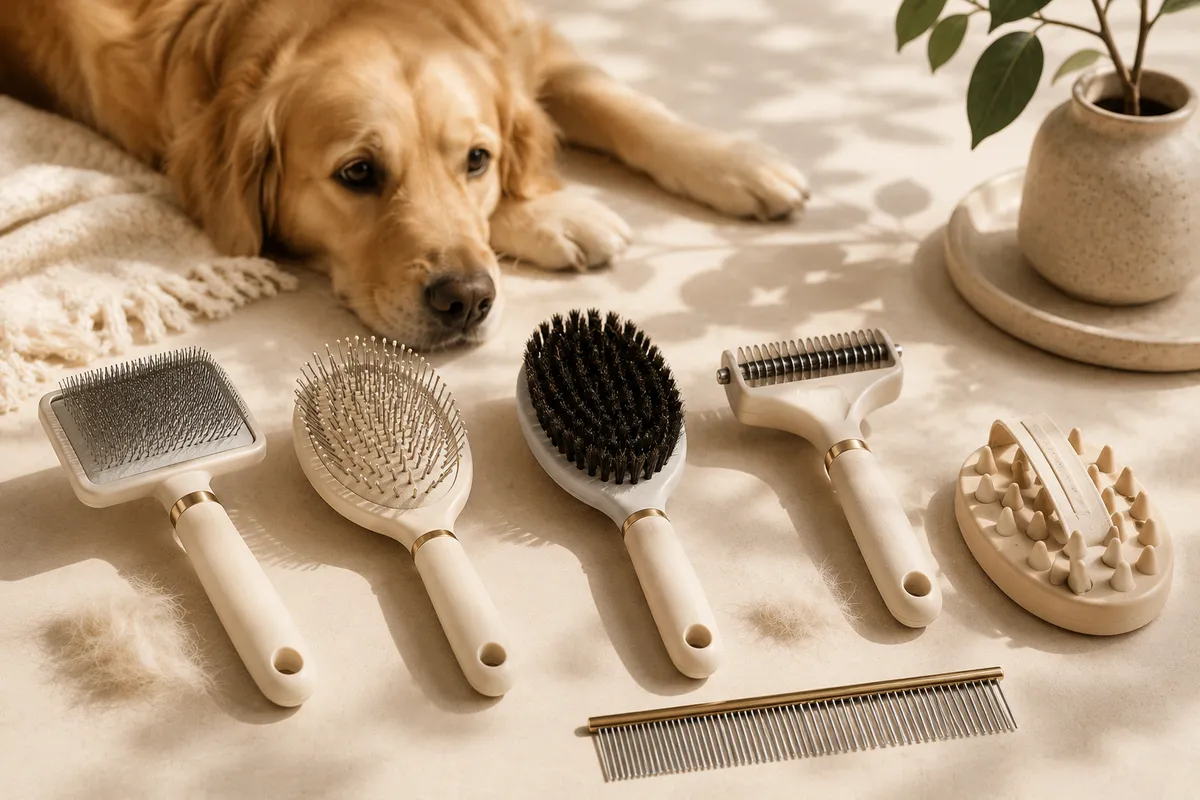
How to Choose the Right Grooming Brush
A plain guide to grooming brushes — what each type does, which suits your pet's coat, and how to match the tool to the job.
 Shedding
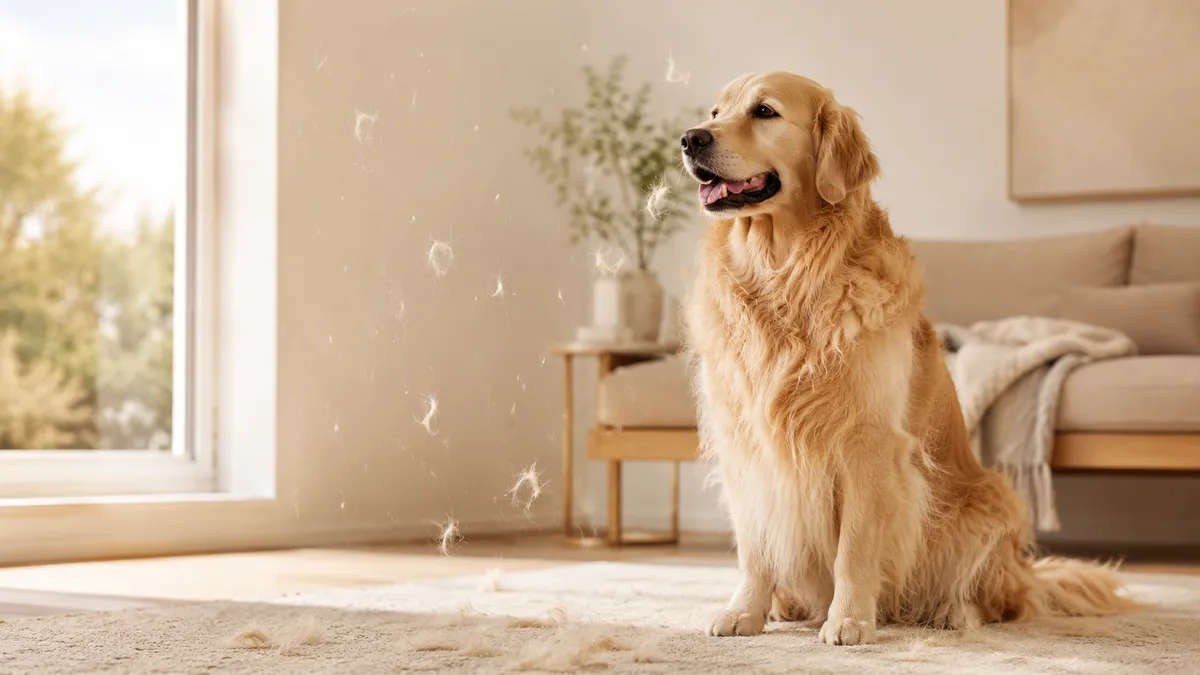
Why Does My Dog Shed So Much?
Why dogs shed, what counts as normal versus excessive, and how to tell ordinary seasonal shedding from a sign worth a vet visit.
 Cat Grooming
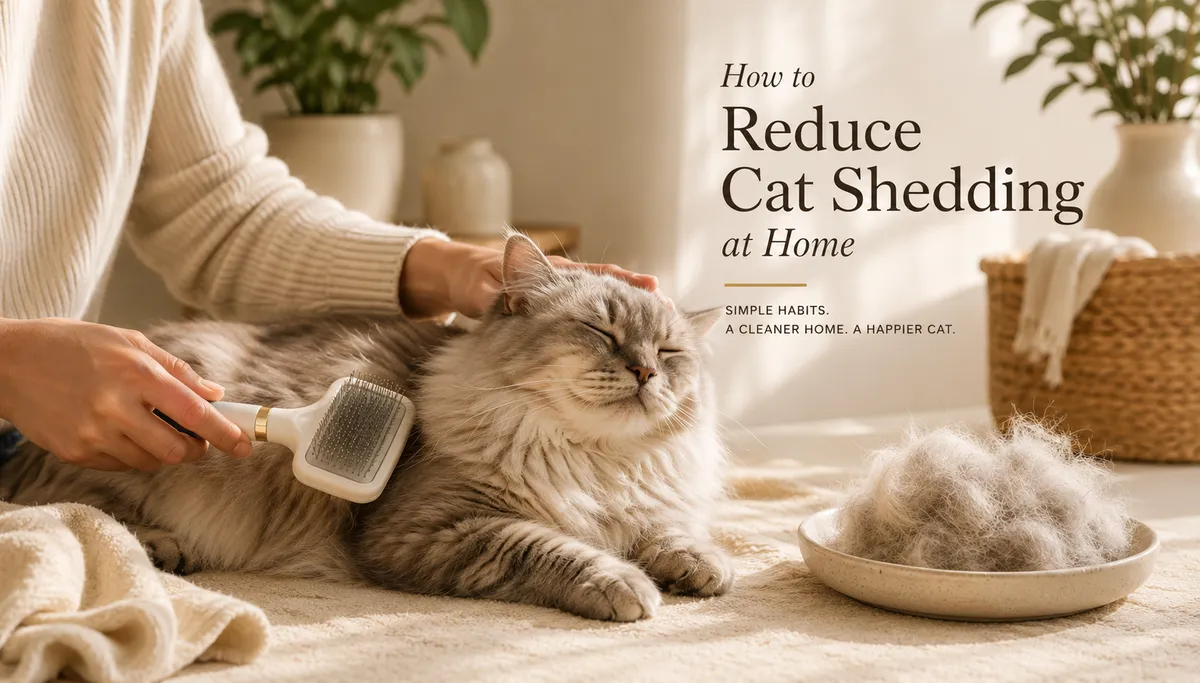
How to Reduce Cat Shedding at Home
A calm, practical routine for managing cat shedding — what actually helps, what doesn't, and when loose fur is worth a vet's attention.